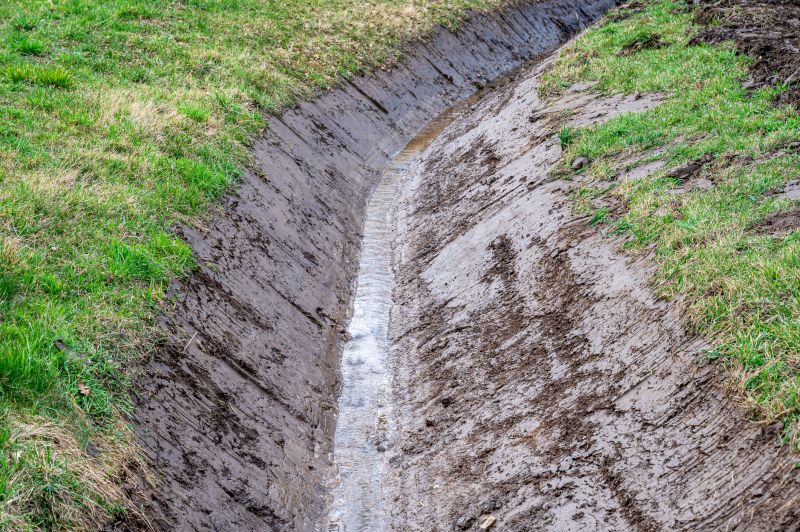
Ditch Repair in Houston, TX
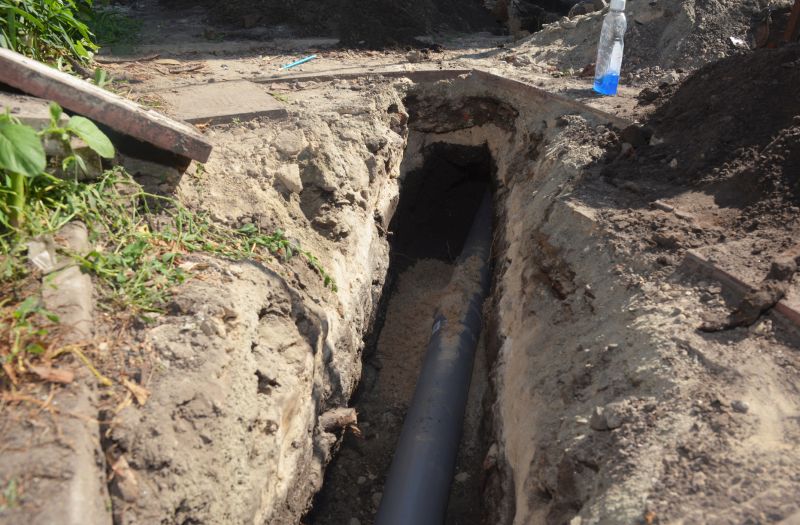
Ditch repair services address issues with underground drainage systems that are essential for proper water management on residential properties. These services typically cover projects such as fixing broken or collapsed pipes, replacing damaged sections, and restoring the integrity of existing drainage lines. Homeowners interested in ditch repair should understand the scope of work required, including the extent of damage and the materials needed for repairs, to ensure the system functions effectively and prevents water pooling or flooding around the property.
Property owners often request ditch repair when experiencing problems like persistent backups, foul odors, or visible signs of erosion near drainage areas. Before requesting service, it’s helpful to assess the current condition of the ditch, identify any obvious damage or blockages, and consider the history of drainage issues on the property. Clear communication about the specific concerns and the location of the problem can assist in determining the most appropriate repair approach.
Many property owners in Houston, TX look into Ditch Repair for repairs, replacements, upgrades, and appearance-related improvements.
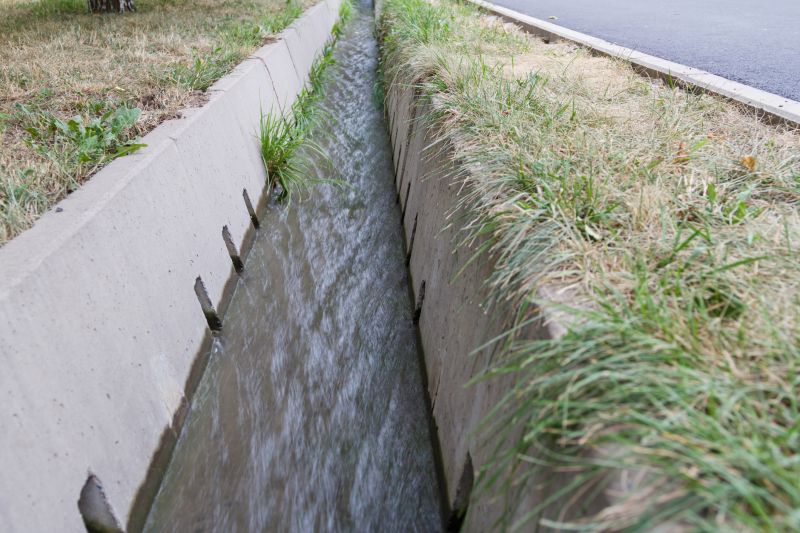
Common Ditch Issues
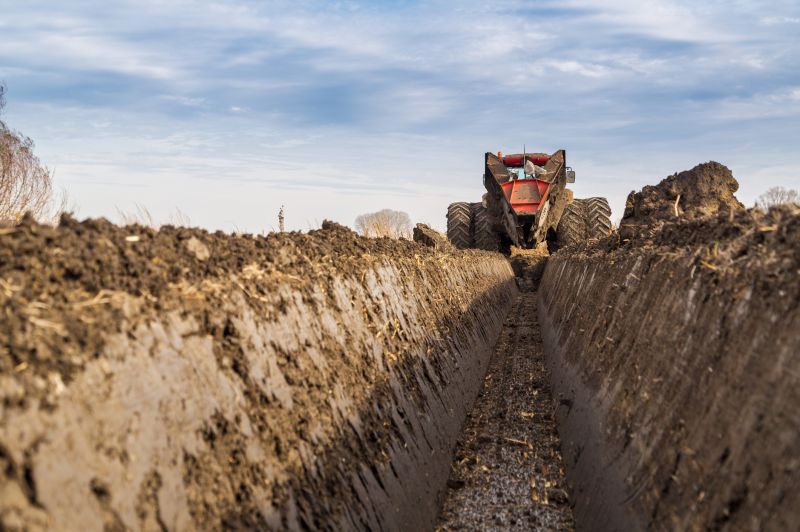
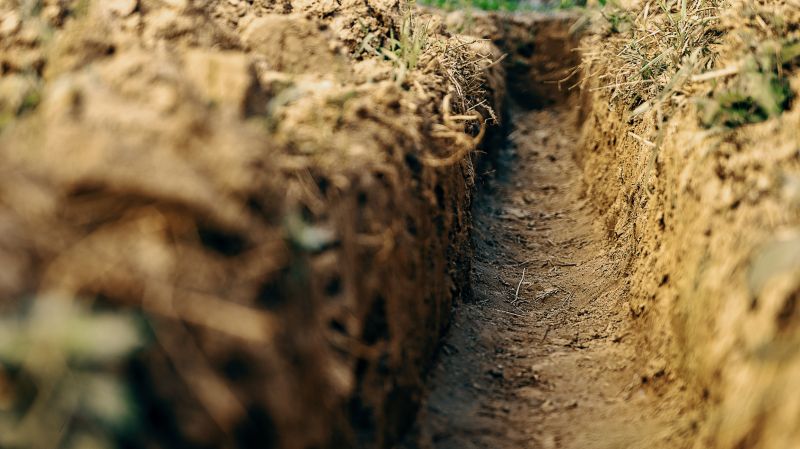
Ditches may develop erosion, blockages, or collapse that affect drainage and property safety.
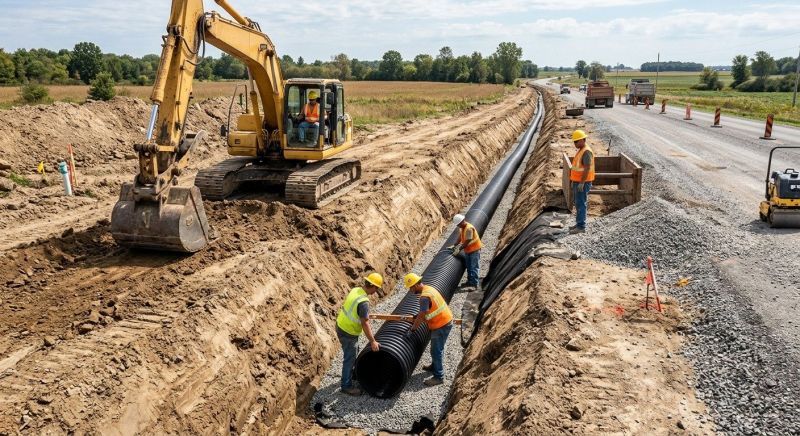
Repair Techniques
Restoration methods include patching, reshaping, or replacing damaged sections to restore proper flow.
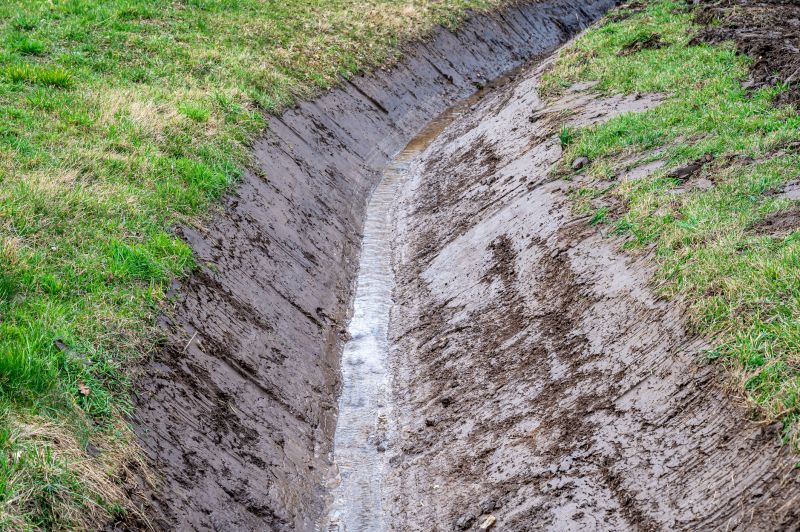
Maintenance Tips
Regular inspection and clearing help prevent future problems and ensure efficient water drainage.
Ditch Repair in Houston, TX

Ditch repair services address issues with underground drainage systems that are essential for proper water management on residential properties. These services typically cover projects such as fixing broken or collapsed pipes, replacing damaged sections, and restoring the integrity of existing drainage lines. Homeowners interested in ditch repair should understand the scope of work required, including the extent of damage and the materials needed for repairs, to ensure the system functions effectively and prevents water pooling or flooding around the property.
Property owners often request ditch repair when experiencing problems like persistent backups, foul odors, or visible signs of erosion near drainage areas. Before requesting service, it’s helpful to assess the current condition of the ditch, identify any obvious damage or blockages, and consider the history of drainage issues on the property. Clear communication about the specific concerns and the location of the problem can assist in determining the most appropriate repair approach.
Many property owners in Houston, TX look into Ditch Repair for repairs, replacements, upgrades, and appearance-related improvements.
Common Ditch Repair Jobs
Drain pipe repairs - addressing leaks, cracks, or blockages in existing drain lines.
Pipe replacement - removing damaged or collapsed sections of drain pipes for proper flow.
Trenchless repairs - fixing underground drain issues with minimal surface disruption.
Clog removal - clearing obstructions to restore proper drainage and prevent backups.
Pipe relining - reinforcing existing pipes to extend their lifespan without excavation.
Drain system upgrades - installing or improving drain lines to meet current property needs.
Ditch Repair Questions
What causes ditch damage? Ditches can be damaged by soil erosion, heavy rainfall, or improper grading, leading to issues with drainage and property stability.
When should a ditch be repaired? Repairs are needed when the ditch shows signs of erosion, blockages, or structural failure that affect proper water flow.
What types of repair methods are common? Common methods include reshaping the ditch, installing liners, or adding drainage materials to restore function and prevent further damage.
How can property owners prevent ditch issues? Regular maintenance, proper grading, and ensuring clear drainage paths help prevent common ditch problems over time.
Request Ditch Repair in Houston, TX
Use the quote form on this page to share the basics of your project and request more information for the type of work you need.